

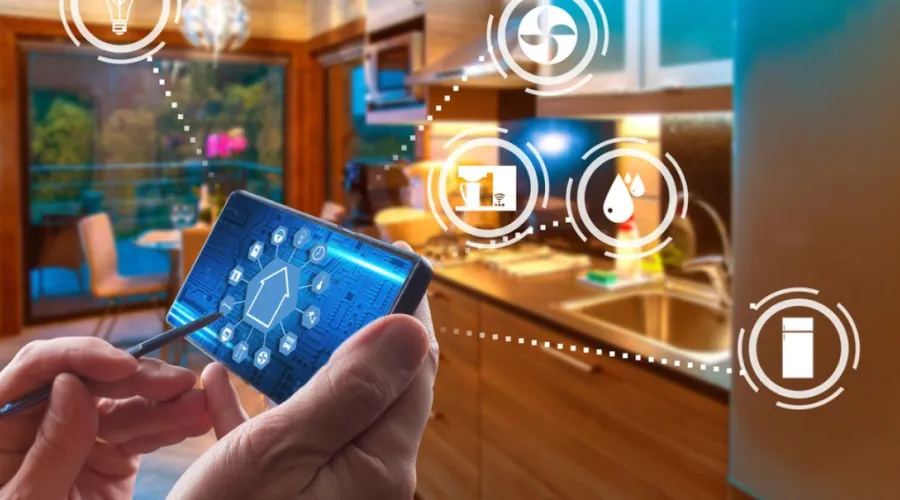
In a world where environmental sustainability is at the forefront of our concerns, the role of technology becomes pivotal in shaping a greener future. One such area where innovation is making significant strides is in smart appliances for energy efficiency. These cutting-edge devices not only make our lives more convenient but also contribute to a reduction in energy consumption, ultimately leading to a more sustainable lifestyle. In this blog, we will explore the impact of smart appliances on energy efficiency, delve into some noteworthy examples, and discuss the potential they hold for a greener tomorrow.
1. Understanding the Essence of Smart Appliances
Smart appliances are an integral part of the broader Internet of Things (IoT) ecosystem, where devices are interconnected and communicate with each other through the internet. These appliances are equipped with sensors, connectivity features, and intelligent algorithms that enable them to perform tasks more efficiently. When it comes to energy efficiency, the smart technology embedded in these appliances allows for better monitoring, control, and optimization of energy usage.
1.1 How Smart Appliances Contribute to Energy Efficiency
Traditional appliances often lack the ability to adapt to our changing needs and preferences. Smart appliances, on the other hand, can learn from user behavior, adjust settings automatically, and optimize energy consumption accordingly. For instance, a smart thermostat can analyze patterns of temperature adjustments and create a customized schedule that minimizes unnecessary heating or cooling.
Moreover, many smart appliances are designed to be remotely controlled via smartphones or other smart devices. This feature enables users to monitor and manage their energy usage even when they are away from home, providing an unprecedented level of control and flexibility.
2. Noteworthy Examples of Smart Appliances
The market is flooded with an array of smart appliances designed to enhance energy efficiency across various aspects of our daily lives. Let’s take a closer look at some notable examples:
2.1 Smart Thermostats
Heating and cooling are major contributors to household energy consumption. Smart thermostats, such as Nest and Ecobee, are designed to optimize HVAC systems by learning user preferences and adjusting temperatures accordingly. They can also be programmed to automatically reduce energy usage during periods of low activity, leading to significant energy savings over time.
2.2 Energy-Efficient Smart Lighting Systems
Traditional incandescent bulbs are notorious for their energy inefficiency. Smart lighting systems like Philips Hue and LIFX offer LED bulbs that not only consume less energy but also provide advanced features such as remote control, scheduling, and color customization. These systems contribute not only to energy savings but also to a more personalized and enjoyable lighting experience.
2.3 Smart Appliances in the Kitchen
From smart refrigerators to energy-efficient dishwashers, the kitchen is becoming a hub for innovative appliances that prioritize energy conservation. Manufacturers like Samsung and LG have introduced refrigerators with sensors that optimize cooling based on usage patterns. Smart dishwashers, such as those from Bosch and Whirlpool, can adjust water temperature and usage based on the load size, resulting in efficient and eco-friendly cleaning.
2.4 Smart Home Energy Monitoring Systems
To truly understand and manage energy consumption, homeowners need insights into their usage patterns. Smart home energy monitoring systems, like Sense and Emporia, provide real-time data on energy usage, helping users identify energy-hungry appliances and make informed decisions to reduce consumption.
3. The Green Revolution at Home: Advantages of Smart Appliances for Energy Efficiency
As we integrate smart appliances into our homes, we pave the way for a greener and more sustainable future. Let’s explore the advantages that these devices bring to the table:
3.1 Reduced Energy Bills
The primary incentive for adopting smart appliances for energy efficiency is the potential for significant cost savings. By optimizing energy usage, these devices can lead to reduced electricity and utility bills over time. The initial investment in smart technology can pay off through long-term savings, making it a financially prudent choice for homeowners.
3.2 Environmental Impact
Collectively, the widespread adoption of smart appliances can have a substantial positive impact on the environment. The reduction in energy consumption translates to lower carbon emissions and a smaller ecological footprint. As the global community strives to combat climate change, embracing energy-efficient technologies becomes an imperative step in the right direction.
3.3 Enhanced User Convenience
Beyond energy efficiency, smart appliances offer unparalleled convenience. The ability to control and monitor devices remotely, receive notifications, and customize settings through intuitive apps enhances the overall user experience. This not only makes daily tasks more convenient but also encourages users to actively participate in energy conservation efforts.
3.4 Integration with Renewable Energy Sources
Smart appliances can seamlessly integrate with renewable energy sources, such as solar panels and wind turbines. By synchronizing energy consumption with the availability of renewable energy, homeowners can maximize the utilization of clean power and further reduce their reliance on traditional energy grids.
4. Overcoming Challenges and Looking Towards the Future
While the benefits of smart appliances for energy efficiency are evident, there are challenges that need to be addressed. Security concerns, interoperability issues, and the environmental impact of manufacturing electronic devices are areas that require attention. However, as technology continues to evolve, solutions to these challenges are likely to emerge.
4.1 Security and Privacy Concerns
The interconnected nature of smart appliances raises concerns about data security and privacy. Manufacturers need to prioritize robust cybersecurity measures to protect user data from unauthorized access. Additionally, users must be educated on best practices for securing their smart home networks.
4.2 Interoperability and Standardization
The smart home ecosystem comprises devices from various manufacturers, each with its own set of protocols and standards. Achieving interoperability among these devices is crucial for a seamless user experience. Industry-wide standardization efforts are necessary to ensure that smart appliances from different brands can work harmoniously together.
4.3 Sustainable Manufacturing Practices
As the demand for smart appliances increases, manufacturers must prioritize sustainable and eco-friendly manufacturing practices. The disposal of electronic waste is a growing concern, and efforts to design products with recyclability in mind can contribute to minimizing the environmental impact of these technologies.
4.4 Continuous Innovation
The future of smart appliances for energy efficiency lies in continuous innovation. From advancements in artificial intelligence for more intelligent energy optimization to the development of novel materials with lower environmental impact, ongoing research and development efforts will play a pivotal role in shaping the next generation of eco-friendly smart appliances.
Conclusion
In conclusion, the integration of smart appliances into our homes represents a significant step toward achieving energy efficiency and sustainability. The advantages, from cost savings to environmental impact, make the adoption of these technologies a compelling choice for homeowners. While challenges exist, the ongoing commitment to innovation and addressing concerns will likely pave the way for an increasingly eco-friendly future. As we embrace the era of smart living, let us do so with a mindful approach, ensuring that the benefits of technology align with our collective responsibility to preserve the planet for generations to come.