


Introduction:
Beautiful, healthy hair is not just a matter of genetics; it requires consistent care and attention. Whether you have long, flowing locks or a chic pixie cut, adopting a proper haircare routine is crucial to maintaining and enhancing the natural beauty of your hair. In this comprehensive guide, we’ll explore a range of haircare tips that cater to different hair types and concerns.
Understanding Your Hair Type
Before delving into specific haircare tips, it’s essential to identify your hair type. Each type has unique characteristics and requires tailored care.
1. Straight Hair
Straight hair tends to be sleek and shiny but can be prone to oiliness. Use a gentle, sulfate-free shampoo to maintain cleanliness without stripping away natural oils. Regular trims help prevent split ends and maintain a neat appearance.
2. Wavy Hair
Wavy hair often strikes a balance between straight and curly. Moisture is key for this hair type. Consider using a hydrating conditioner and embracing air-drying to enhance natural waves. Avoid excessive brushing, as it can lead to frizz.
3. Curly Hair
Curly hair is prone to dryness and frizz. Opt for sulfate-free products to retain moisture, and indulge in deep conditioning treatments regularly. Detangle with a wide-tooth comb when wet to prevent breakage, and embrace leave-in conditioners for added hydration.
Building a Solid Haircare Routine
Now that you understand your hair type, let’s construct a robust haircare routine that incorporates essential steps.
1. Gentle Cleaning
Use a sulfate-free shampoo to cleanse your hair without stripping it of natural oils. Washing frequency depends on your hair type – straight hair may require more frequent washing, while curly hair benefits from less frequent washing to retain moisture.
2. Conditioning Ritual
Conditioning is non-negotiable for maintaining soft and manageable hair. Choose a conditioner that suits your hair type and apply it from mid-length to the tips. If you have oily roots, focus on the ends to avoid weighing down your hair.
3. Regular Trims
Even if you’re growing out your hair, regular trims are crucial for preventing split ends and maintaining overall hair health. Aim for a trim every 6-8 weeks to keep your hair looking fresh and vibrant.
4. Heat Styling Caution
While styling tools can transform your look, excessive heat can damage your hair. Use heat protectant sprays before styling, and consider air-drying or using low-heat settings whenever possible. Embrace natural textures to give your hair a break from heat styling.
Nutrition for Luscious Locks
Proper nutrition plays a pivotal role in the health of your hair. Ensure you’re nourishing your body with the right nutrients to promote hair growth and strength.
1. Balanced Diet
A balanced diet rich in vitamins, minerals, and proteins is essential for healthy hair. Include foods like salmon, eggs, leafy greens, and nuts, which are packed with nutrients that promote hair health.
2. Hydration is Key
Dehydration can take a toll on your hair, making it dry and brittle. Drink an adequate amount of water daily to keep your hair hydrated from the inside out. Consider incorporating hydrating hair masks into your routine for an extra boost.
Supplements for Hair Health
If your diet lacks specific nutrients, consider taking supplements like biotin, vitamin E, and omega-3 fatty acids. Consult with a healthcare professional before adding any supplements to your routine to ensure they align with your overall health.
Addressing Common Hair Concerns
No matter your hair type, certain common concerns can affect anyone. Let’s explore some targeted tips for addressing these issues.
1. Dealing with Dandruff
Dandruff can be embarrassing and uncomfortable. Use an anti-dandruff shampoo with ingredients like ketoconazole or pyrithione zinc. Massage the shampoo into your scalp and leave it on for a few minutes before rinsing.
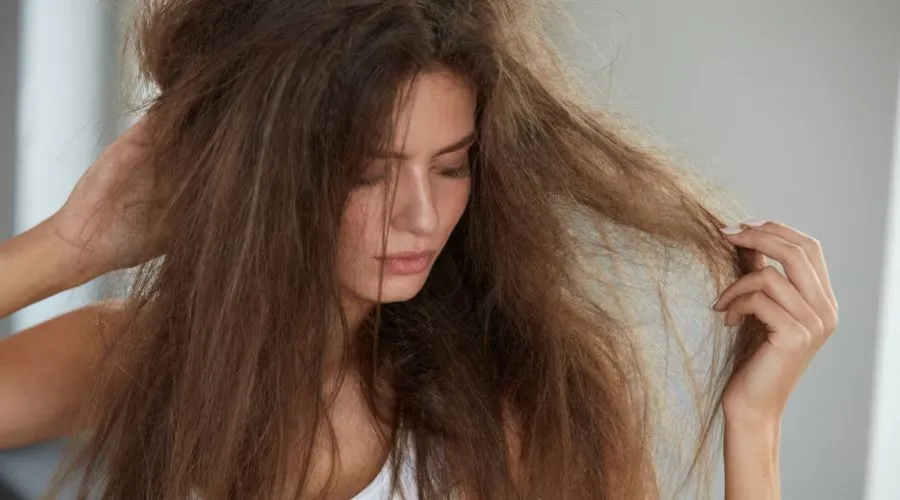
2. Taming Frizz*
Frizzy hair can be a constant struggle, especially in humid climates. Use a smoothing serum or oil to tame frizz and flyaways. Avoid brushing your hair when it’s dry, as this can exacerbate frizz. Instead, use a wide-tooth comb on wet hair.
3. Combatting Hair Loss
Hair loss is a common concern that can be attributed to various factors, including genetics and hormonal changes. Consider using a volumizing shampoo and conditioner to create the illusion of fuller hair. Consult with a dermatologist or trichologist if you’re experiencing excessive hair loss.
4. Color-Treated Hair Care
If you color your hair, it requires extra care to maintain vibrancy and prevent damage. Use color-safe shampoos and conditioners, and minimize heat styling to preserve the integrity of the color. Consider deep conditioning treatments to nourish color-treated strands.
Conclusion:
Achieving and maintaining healthy, beautiful hair is a holistic process that involves understanding your hair type, establishing a consistent routine, prioritizing nutrition, and addressing specific concerns. By incorporating these haircare tips into your daily life, you’ll be on your way to flaunting locks that radiate vitality and style. Remember, patience and consistency are key, and your hair will thank you for the extra care and attention.